
High-Performance Composite Tooling
We build the foundation for perfect parts. Precision, stability, and durability for your most demanding composite production needs.
Discuss a Tooling ProjectA Complete Tooling Ecosystem
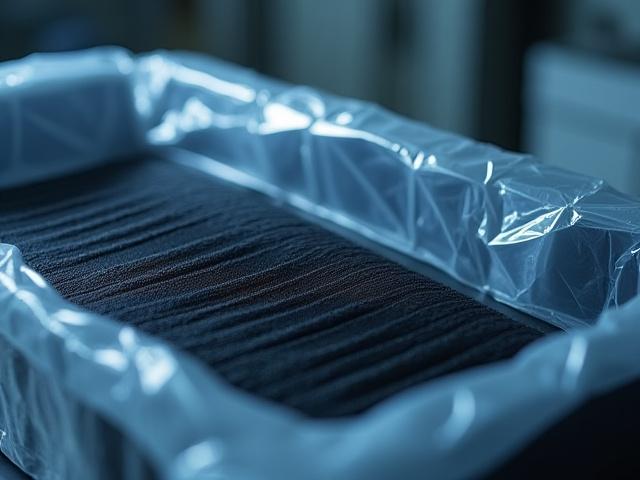
Layup Molds
High-temp composite or metal molds for autoclave, oven, or OOA curing. Designed for thermal stability and long critical process life.
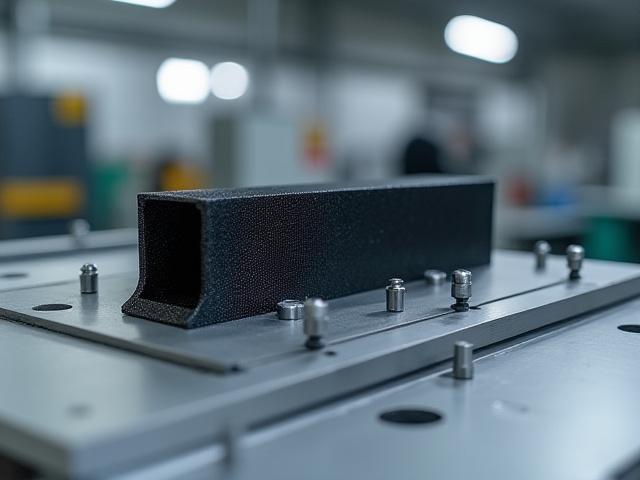
Trim & Drill Fixtures
Rigid fixtures that provide precise, repeatable locating for post-cure CNC machining or manual finishing operations.
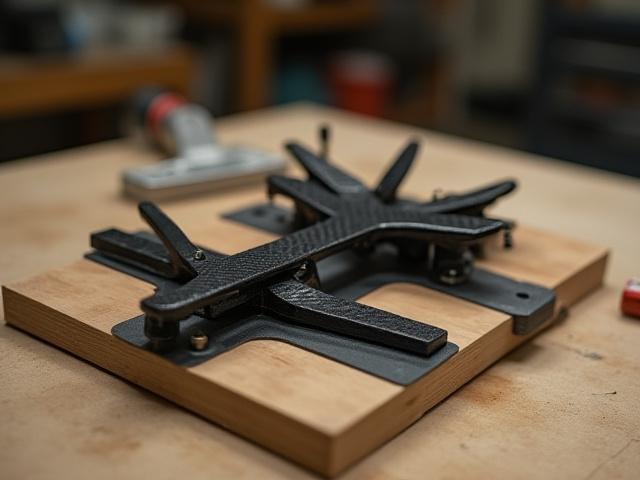
Assembly Jigs
Dimensionally accurate jigs designed to hold multiple components in precise alignment for bonding or mechanical assembly.
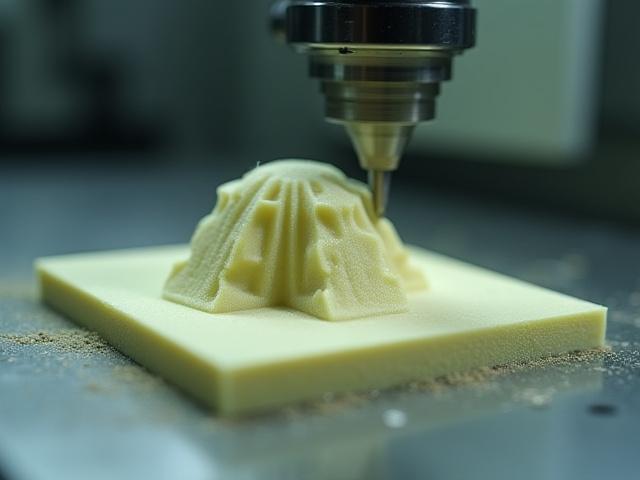
Master Models & Patterns
We machine master models from tooling board, paste, or metal to serve as the highly accurate pattern for your production molds.
The Right Tooling Material for Your Program
Composite Tooling (Carbon/Epoxy)
- Matched CTE to carbon parts (ideal for autoclave)
- Lightweight and easy to handle
- Higher initial cost
Best for:
Aerospace, extreme high-tolerance parts, long production runs requiring matched thermal expansion.
Metal Tooling (Aluminum/Steel)
- Highly durable, excellent longevity
- Good thermal conductivity for even heating
- CTE mismatch with carbon, heavy
Best for:
High-volume production where CTE is less critical or compensated, RTM/infusion processes, general industrial applications.
Tooling Board & Prototype Tools
- Rapid and fast to machine for quick iterations
- Cost-effective for initial development stages
- Limited life and lower temperature resistance
Best for:
Prototyping, low-rate production, form and fit checks, concept validation.
From CAD to Certified Tool
1. Tool Design
Our expert engineers design the mold, incorporating critical features such as thermal breaks, vacuum ports, structural reinforcement, and precise locating features for flawless part integration.
2. Master Model Machining
A highly accurate master pattern is precisely machined on our state-of-the-art 5-axis CNC equipment, ensuring absolute fidelity to your digital specifications.
3. Tool Lamination & Cure
The composite tool is meticulously laminated over the master model with advanced materials and cured at high temperatures for optimal strength and dimensional stability.
4. Surface Finishing & Inspection
The tool surface is polished to exact specifications. The entire tool is then laser scanned or CMM inspected, providing a detailed report to verify accuracy against your CAD model.
Designed for Autoclave Performance
Precision Through Matched CTE
For high-performance composite parts, especially those cured in an autoclave, thermal expansion is a critical factor. A composite tool expands and contracts at the same rate as the composite part it produces. Conversely, a metal tool, such as steel or aluminum, exhibits a different Coefficient of Thermal Expansion (CTE).
This critical difference means that during high-temperature autoclave curing cycles, a metal tool can cause the composite part to warp, experience internal stresses, or even become difficult to remove. Our composite tooling's matched CTE prevents these issues, ensuring your parts maintain their precise geometry and mechanical properties.
Achieve superior part quality and repeatability with tools engineered for thermal compatibility.

Get a Quote for Your Production Tooling
Provide your part's CAD model and project details. Our tooling engineers will recommend an optimal tooling strategy and provide a detailed quotation tailored to your specific requirements.